
How much fabric for a coat or jacket, computed on three widths
How much fabric a coat needs depends on the width, on nap and on whether you cut folded or in a single layer. Here a long coat and a sport coat from free FreeSewing patterns are computed on 110, 140 and 150 cm, with main fabric, lining and interfacing kept apart.
The numbers at a glance
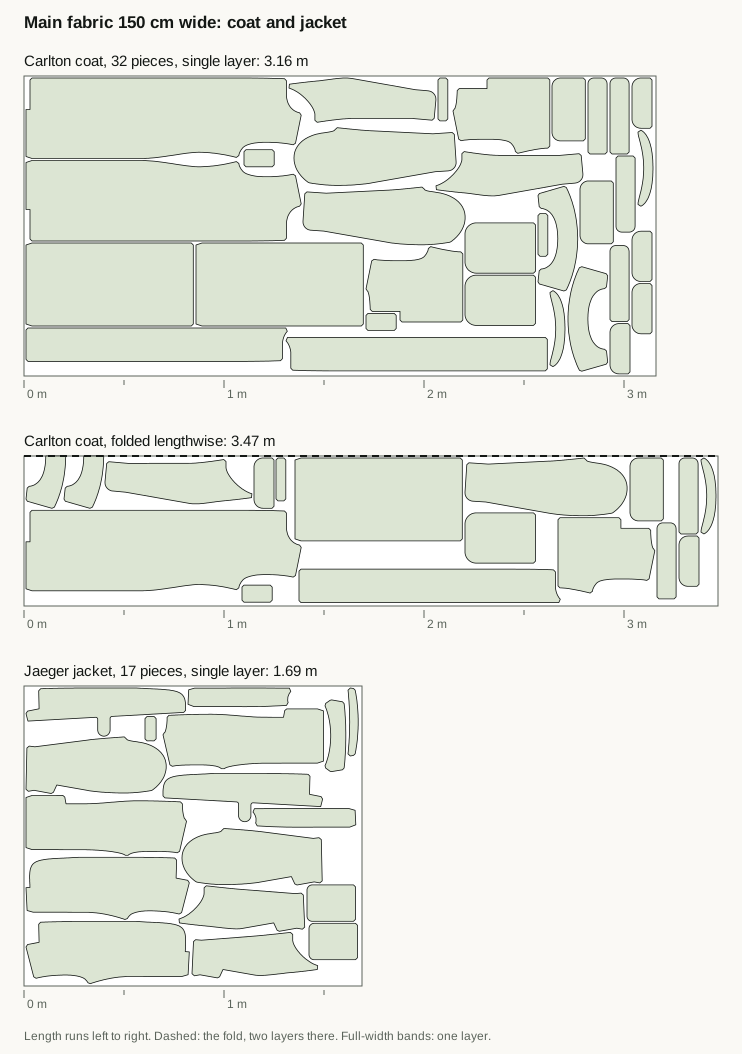
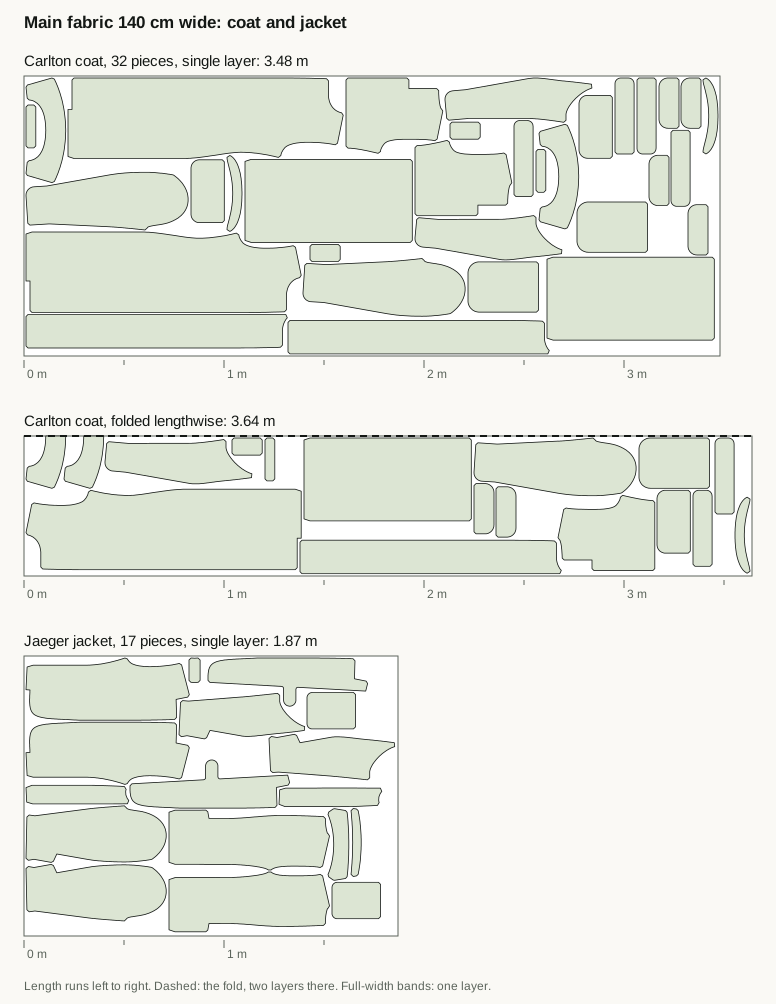
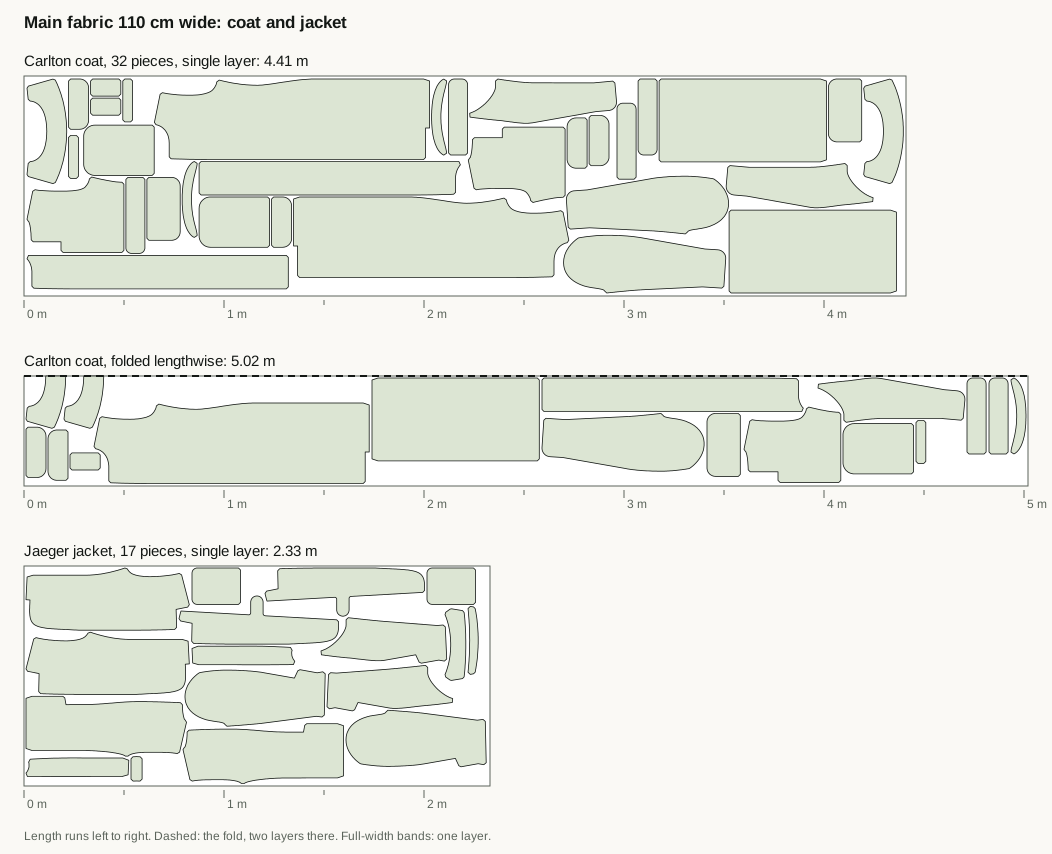
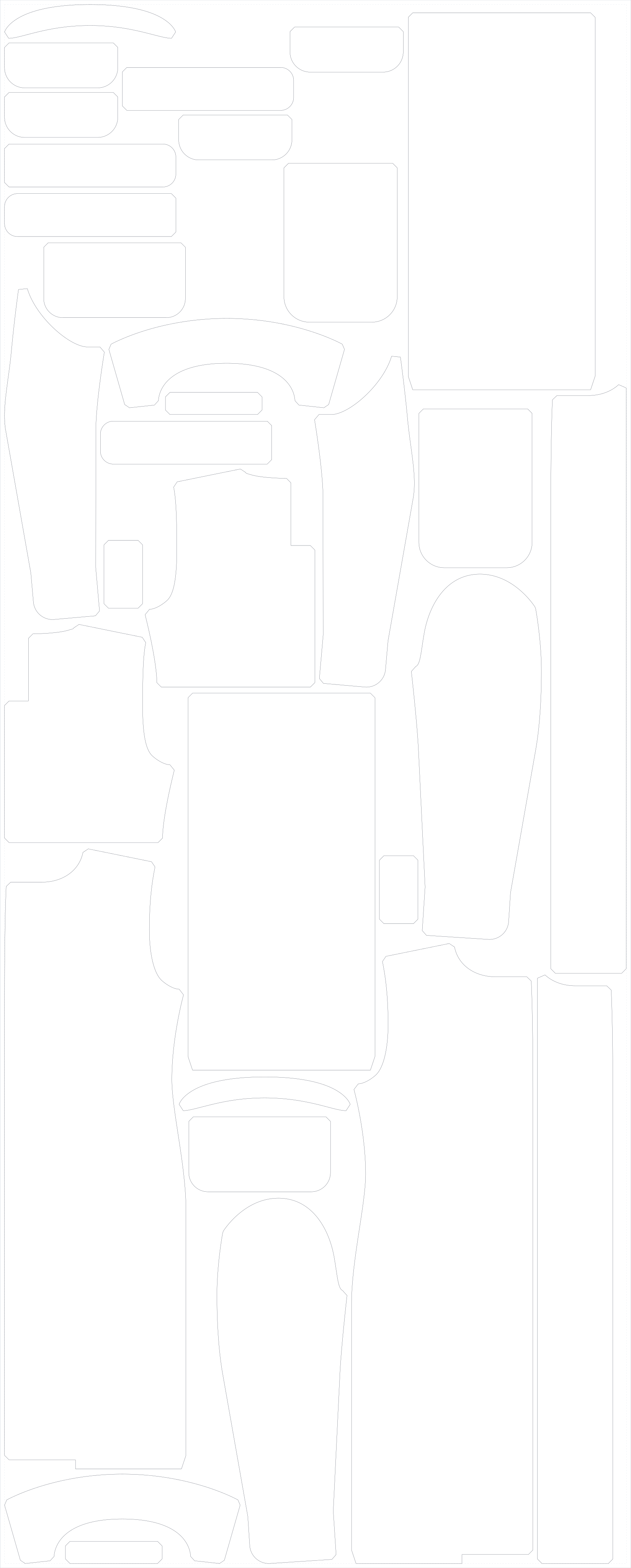
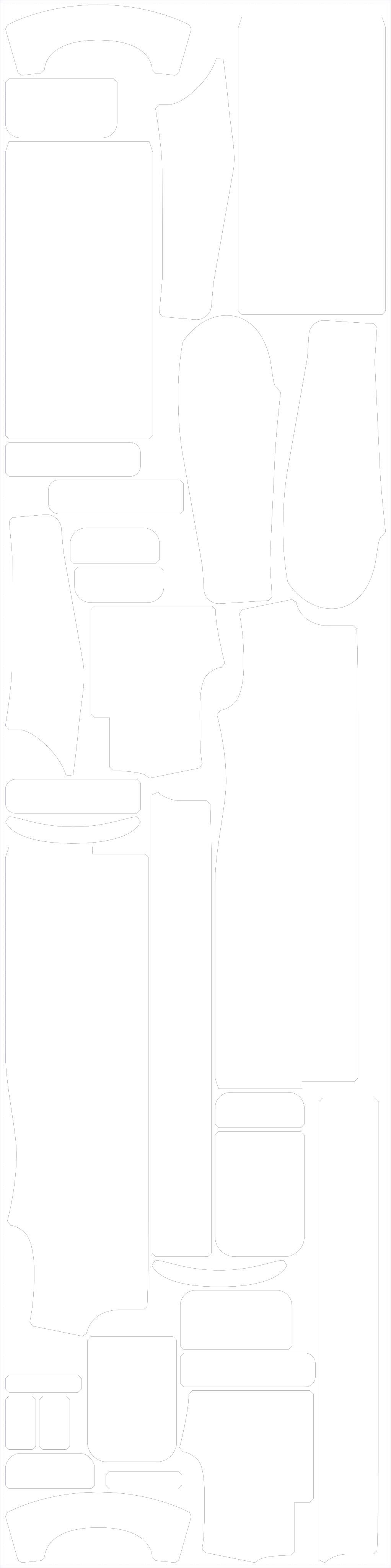
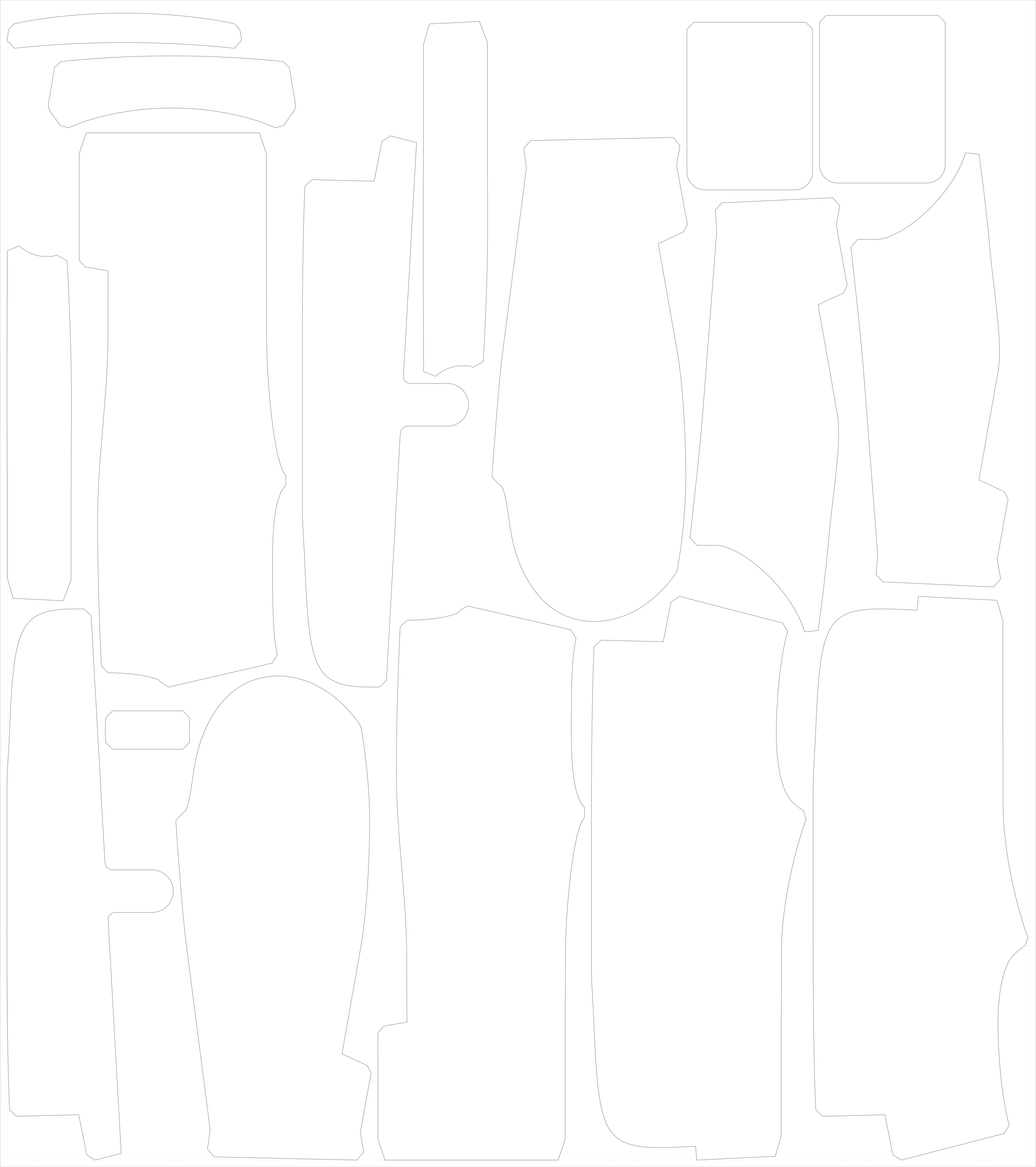
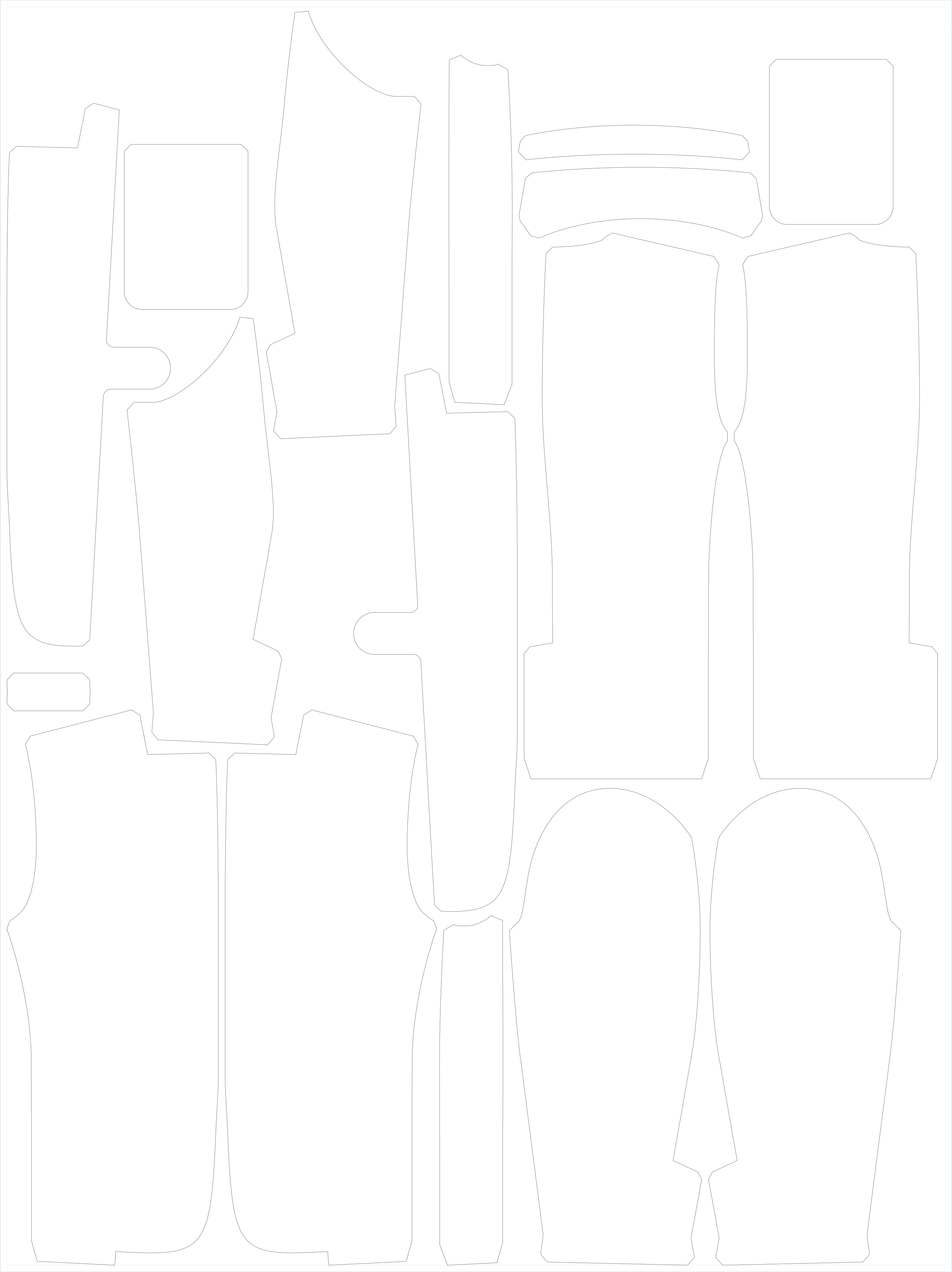
A long coat like Carlton takes 3.16 m of 150 cm main fabric in a single layer, or 3.47 m folded lengthwise. On 140 cm it is 3.48 m or 3.64 m, on 110 cm 4.41 m or 5.02 m. The jacket, a sport coat from the Jaeger pattern, needs 1.69 m on 150 cm, 1.87 m on 140 cm and 2.33 m on 110 cm, each in a single layer. Folding doesn't make it shorter on any of the three widths, more on that below.
| Main fabric | Width | Coat, folded | Coat, single layer | Jacket, single layer |
|---|---|---|---|---|
| no nap | 110 cm | 5.02 m | 4.41 m | 2.33 m |
| no nap | 140 cm | 3.64 m | 3.48 m | 1.87 m |
| no nap | 150 cm | 3.47 m | 3.16 m | 1.69 m |
| with nap | 110 cm | 5.12 m | 4.47 m | 2.37 m |
| with nap | 140 cm | 3.68 m | 3.48 m | 1.87 m |
| with nap | 150 cm | 3.47 m | 3.21 m | 1.72 m |
Size 42 from FreeSewing's sample measurements (chest 110.5 cm), 10 mm seam allowance, a 1 cm margin at the selvages and 1 cm between pieces. Pieces keep their grain and may only turn by 180 degrees, with nap not at all. Lining and interfacing are further down. The jacket appears only as a single layer, because its fold plan puts everything in one layer anyway.
The two patterns
Carlton is a coat from FreeSewing, designed by Joost De Cock and Anneke Caramin, coded by Joost De Cock. It has a back skirt, a half belt, pocket flaps and a collar with a collar stand, and it takes 32 pieces of main fabric. Jaeger is a sport coat, designed and coded by Joost De Cock, with 17 pieces of main fabric. Both are open source under the MIT licence.
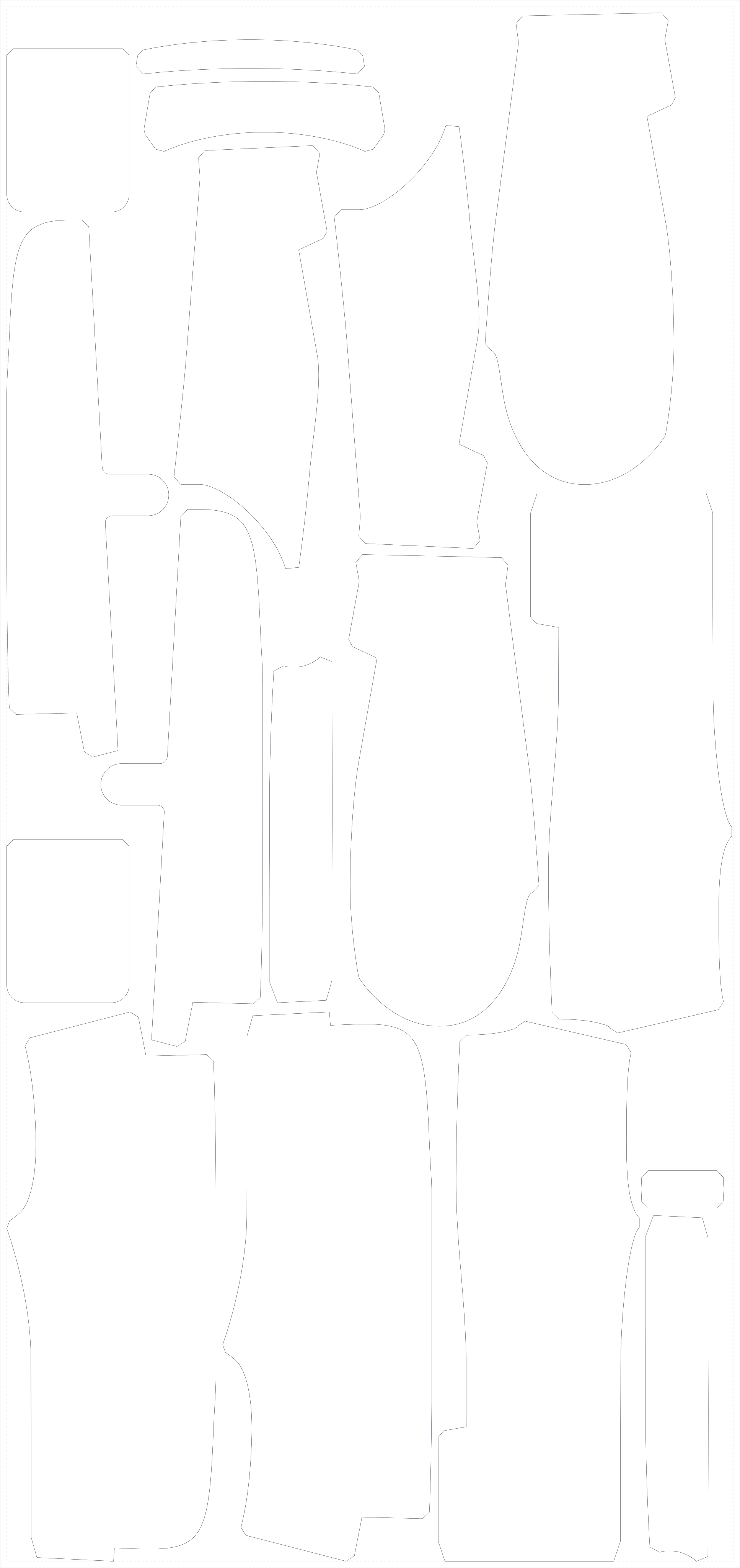
I exported both as SVG with FreeSewing 4.10.2, FreeSewing's sample measurements cisMaleAdult42 and 10 mm seam allowance, and imported the files into PatternNest unchanged. Which pieces go into which material comes from FreeSewing's cutting instructions. Your size gives other numbers, but you can compute them the same way.
I develop PatternNest, which computed the layouts. This article is not affiliated with FreeSewing.
Main fabric: what the width does
For the coat the width matters a lot. In a single layer, going from 150 to 140 cm adds 32 cm, from 140 to 110 cm another 93 cm. Folded it is 17 cm and 138 cm.
The jacket's pieces are shorter, so the difference is smaller: 18 cm from 150 to 140 cm, 46 cm from 140 to 110 cm.
If your pattern lists only one width, compute again for your fabric instead of converting the length by area. How far off such a conversion can be is shown in the fabric width conversion guide linked below.
Folded or single layer
Folded lengthwise, you cut every pair in one go through two layers, and the two pieces come out mirrored by themselves. In exchange every piece has to fit on half the width, and next to big pieces a strip often stays empty.
In a single layer the fabric lies open, right side up. You cut every piece on its own, and the second one of a pair with the pattern piece turned over. That takes longer but saves fabric on the coat: 31 cm on 150 cm, 16 cm on 140 cm and 61 cm on 110 cm.
For the jacket, folding doesn't pay on any of the three widths. The pairs alone, without collar, collar stand and chest pocket welt, already need 1.76 m folded on 150 cm, more than the whole jacket in a single layer at 1.69 m. On 140 cm it is 1.94 m against 1.87 m, on 110 cm 2.45 m against 2.33 m. With nap it is the same, which is why the table has no folded length for the jacket.
In the Folded lengthwise · 2 layers mode PatternNest computes both and shows the shorter one first. If you still want to cut the coat folded, say because your cutting table is narrow, Cut folded instead (3.47 m on 150 cm) brings back the folded layout.
With nap: wool coating, corduroy and velvet
Many coat fabrics have a nap: brushed or raised wool, wool velour, cashmere blends, corduroy and velvet. Run your flat hand along the fabric. If it feels smoother one way, or looks lighter from one end, every piece has to point its top towards the same end of the fabric. In PatternNest you set the direction of each piece to one-way (nap) for that.
For the coat in a single layer that costs 5 cm more (3.21 m instead of 3.16 m) on 150 cm, nothing (3.48 m) on 140 cm and 6 cm more (4.47 m instead of 4.41 m) on 110 cm. Folded: nothing (3.47 m) on 150 cm, 4 cm more (3.68 m instead of 3.64 m) on 140 cm and 10 cm more (5.12 m instead of 5.02 m) on 110 cm.
For the jacket in a single layer: 3 cm more (1.72 m instead of 1.69 m) on 150 cm, nothing (1.87 m) on 140 cm and 4 cm more (2.37 m instead of 2.33 m) on 110 cm.
So a fixed percentage doesn't fit every pattern and every width. More examples are in One-way fabric: how much extra.
Lining and interfacing, computed separately
Lining and interfacing come on their own rolls with their own width, so every material gets its own layout. Lining is often 140 or 150 cm wide, for interfacing I used 112 cm.
| Material | Width | Coat | Jacket |
|---|---|---|---|
| Lining | 140 cm | 2.30 m | 1.42 m |
| Lining | 150 cm | 2.18 m | 1.35 m |
| Interfacing, no allowance | 112 cm | 1.31 m | 1.01 m |
These are the lengths PatternNest shows in the Folded lengthwise · 2 layers mode. For lining and interfacing that is a single-layer layout each time here.
The coat lining has 17 pieces and needs 2.30 m on 140 cm and 2.18 m on 150 cm. The jacket lining has 18 pieces: 1.42 m on 140 cm, 1.35 m on 150 cm. The sleeve linings are included. Both instructions mention that you can cut the sleeves from a different lining, then compute them as a material of their own.
For Jaeger the lining list names two fronts next to two front linings. The front lining is the part of the front behind the facing, so I didn't count the front a second time. The pocket lining is missing from the list but is in the pattern's own cutting list, so it is included.
Interfacing is cut without seam allowance. For the coat that is 13 pieces of light to medium hair canvas, 1.31 m on 112 cm. For the jacket 5 pieces, fronts and chest pieces on the bias plus the undercollar canvas: 1.01 m.
Not in the layouts: the coat's heavyweight hair canvas for shoulders and chest, which the instructions have you draft off the pieces first, and the jacket's undercollar in undercollar fabric, one small piece. Fusible interfacing for local spots, domette and shoulder pads aren't in there either.
What FreeSewing itself says
The Carlton materials list says about 5 to 6 m of main fabric, 3.5 to 4 m of lining and 0.75 to 1 m of sleeve lining, with no fabric width. FreeSewing calls these estimates, more or less depending on your size, and suggests adding 0.5 to 1 m if in doubt. For size 42 the computed range is 3.16 m to 5.12 m of main fabric, depending on width, folding and nap.
For Jaeger FreeSewing says about 2.5 m. Computed, it is 1.69 m to 2.37 m in a single layer.
A blanket figure has to cover many sizes and widths. Folded on 110 cm with nap, 5.12 m falls inside that range, while a single layer on 150 cm needs 3.16 m. Computed with the pieces of your size on your width, you see how much you actually need.
How to compute your own coat
- Export your pattern in your size with seam allowance, as SVG, DXF or vector PDF.
- Measure the usable width of each fabric from selvage to selvage, without the firm edges.
- Open PatternNest and pick your file with Choose files… under Pattern pieces. Check the list: every piece should arrive with the allowance line as its outline.
- Make one project per material. Use Remove piece for what doesn't belong in that fabric, and set pairs with Cut as pair (mirrored) and the quantity from the cutting list.
- If the fabric has a nap, set the direction of every piece to one-way (nap).
- Choose the width and Folded lengthwise · 2 layers, then click Calculate layout. PatternNest shows the shorter layout, folded or single layer.
- Buy with a reserve. Wool often shrinks when you pre-treat it, and a test garment needs fabric of its own.
Download and check
The .pnest projects hold the pieces and settings, not a finished layout. Open one in PatternNest with Open .pnest and click Calculate layout. They are set to Folded lengthwise · 2 layers, and PatternNest then shows the shorter layout. The SVG files are the single-layer layouts at 1:1 scale, as PatternNest exports them.
- Coat, main fabric 150 cm: project (.pnest)
- Coat, main fabric 140 cm: project (.pnest)
- Coat, main fabric 110 cm: project (.pnest)
- Coat, main fabric 150 cm, single layer: cutting layout (SVG)
- Coat, main fabric 140 cm, single layer: cutting layout (SVG)
- Coat, main fabric 110 cm, single layer: cutting layout (SVG)
- Jacket, main fabric 150 cm: project (.pnest)
- Jacket, main fabric 140 cm: project (.pnest)
- Jacket, main fabric 110 cm: project (.pnest)
- Jacket, main fabric 150 cm, single layer: cutting layout (SVG)
- Jacket, main fabric 140 cm, single layer: cutting layout (SVG)
- Jacket, main fabric 110 cm, single layer: cutting layout (SVG)
- Coat, lining 140 cm: project (.pnest)
- Coat, lining 150 cm: project (.pnest)
- Jacket, lining 140 cm: project (.pnest)
- Jacket, lining 150 cm: project (.pnest)
- Coat, interfacing 112 cm: project (.pnest)
- Jacket, interfacing 112 cm: project (.pnest)
- FreeSewing MIT licence
How the numbers were checked
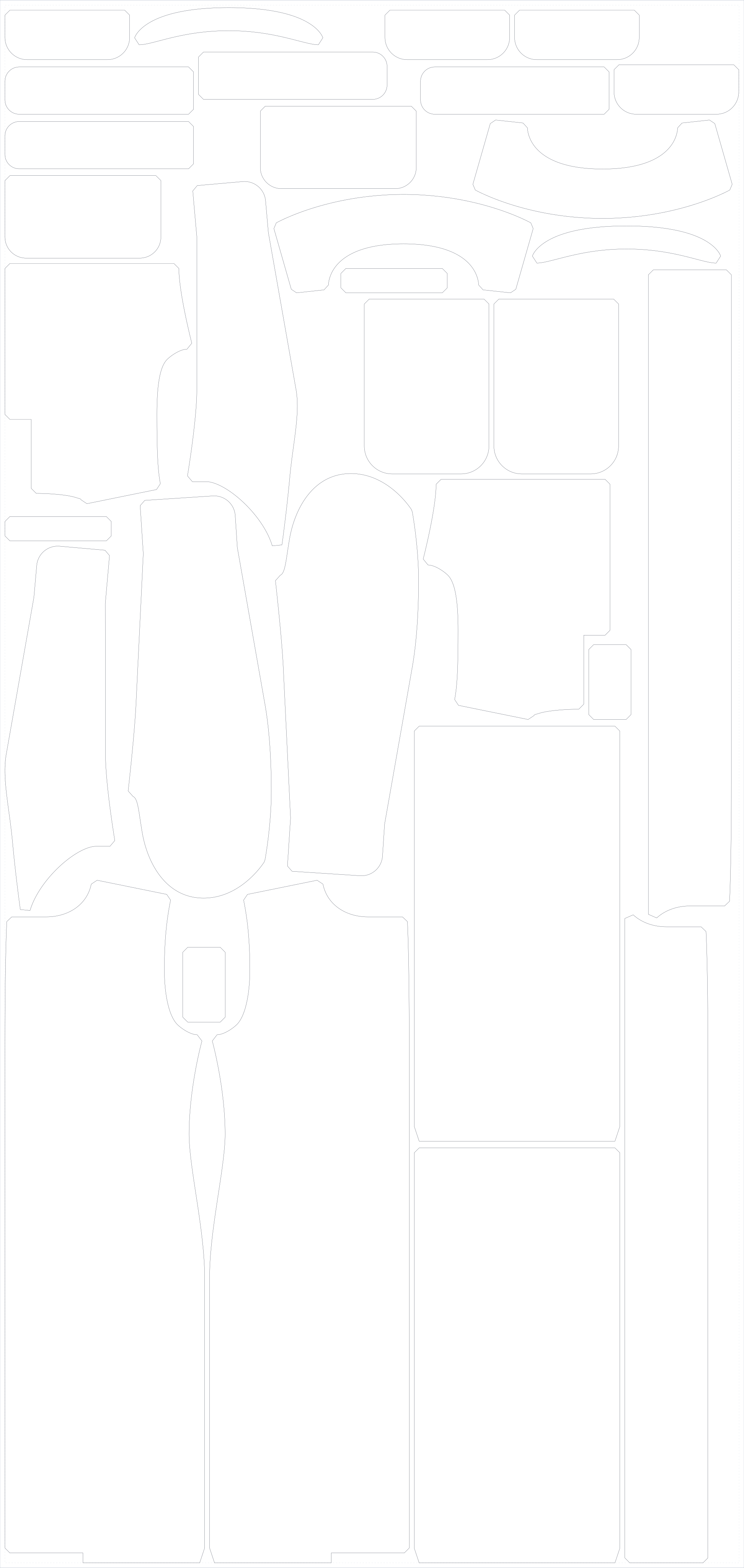
Every layout passed PatternNest's check on the real outlines: no overlap, at least 1 cm spacing, everything on the fabric. On top of that come 137 cross-checks: narrower fabric is never shorter than wider, with nap never shorter than without, and no length is below the pieces' area divided by the width. For the single-layer layouts PatternNest's nesting ran to the end, and the final result counted, not an interim one. Computed with the version of PatternNest that was online on 2 November 2026.
Further reading
The same Carlton as a Sherlock Holmes costume with the hat is in Cosplay fabric without a yardage chart. How far a conversion between widths can be off is in Fabric width conversion. If the fabric falls just short, a partial fold and other options are in Not enough fabric. How to lay out pieces without any tool is in Lay out pattern pieces, and trousers on three widths in How much fabric for pants.
Sources
FreeSewing Carlton: design Joost De Cock and Anneke Caramin, code Joost De Cock. FreeSewing Jaeger: design and code Joost De Cock. Both under the MIT licence, exported with FreeSewing 4.10.2, cisMaleAdult42, 10 mm seam allowance. Cutting lists and material notes from FreeSewing's documentation. Layout computation and article: Cayan / Madegrain.